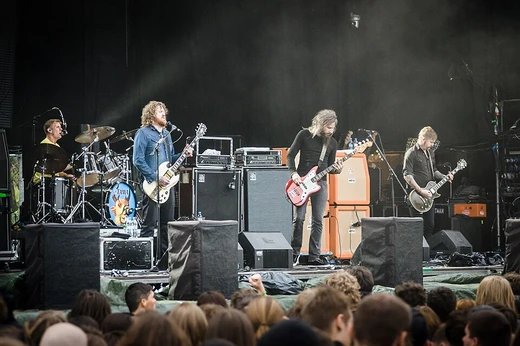
Believer (band)
American technical thrash metal band known for symphonic elements.

Believer is an American technical thrash metal band from Pennsylvania, formed in 1986. The band plays a hybrid of thrash and progressive metal, known for innovative use of symphonic elements, with lyrics dealing with philosophy, theology, and social issues. The two primary members are vocalist/bassist/guitarist Kurt Bachman and drummer Joey Daub.
- formed
- 1986
- origin
- Colebrook, Pennsylvania, United States
- genre
- Technical thrash metal, progressive metal
- years_active
- 1986–1994, 2005–present
- labels
- R.E.X. Records, Roadrunner Records, Metal Blade Records
- known_for
- Hybrid of thrash and progressive metal with symphonic elements
Lore & Background
Believer was formed in Colebrook, Pennsylvania in 1986 by drummer Joey Daub and vocalist-guitarist Kurt Bachman, joined by Howe Kraft (bass) and David Baddorf (guitar). Originally called Deceiver, the band changed its name after hearing the Ozzy Osbourne song 'Believer.' They released the cassette The Return in 1987 before shifting to thrash metal. Their debut album Extraction from Mortality (1989) was released on R.E.X. Records and distributed mostly to Christian bookstores, gaining popularity as a leading Christian metal group. The song 'Not Even One' appeared on Roadrunner Records' compilation At Death's Door in 1990, helping them enter the general metal scene.
Their second album Sanity Obscure (1990) featured more technical elements and symphonic contributions from Scott Laird, including the song 'Dies Irae (Day of Wrath)' with soprano Julianne Laird Hoge. The album's title track was covered by Robert Prince for the video game Doom as 'On the Hunt.' The band toured the US and Europe with Bolt Thrower. Their third album Dimensions (1993) was their most technical and progressive, featuring the 20-minute suite 'Trilogy of Knowledge.' The band disbanded in 1994.
In 2005, Daub announced he and Bachman had reformed the band. They signed with Metal Blade Records in 2008 and released Gabriel in 2009, followed by Transhuman in 2011.
Reader's Guide
Believer's significance lies in their fusion of thrash metal with progressive and symphonic elements, which set them apart in the late 1980s and early 1990s metal scene. As one of the leading Christian metal groups, they gained crossover appeal through their appearance on Roadrunner Records' death metal compilation At Death's Door and subsequent signing to the label. Their second album Sanity Obscure received praise from mainstream magazines, and its title track's use in the video game Doom extended their influence. The band's technical and ambitious third album Dimensions explored philosophical and theological themes, showcasing their willingness to push boundaries. After a decade-long hiatus, their reformation and continued output on Metal Blade Records demonstrated enduring relevance in the metal community.
Did You Know?
- The band was originally called Deceiver before changing to Believer after the Ozzy Osbourne song.
- The title track of Sanity Obscure was covered by Robert Prince for the video game Doom as 'On the Hunt'.
- Believer toured the US and Europe with Bolt Thrower in the early 1990s.
- The band's fifth studio album Transhuman was released in 2011.
Frequently Asked Questions
Who is Believer (band)?
Believer is a two-piece American technical thrash metal band hailing from Colebrook, Pennsylvania, founded in 1986. The group is fronted by Kurt Bachman, who handles vocals, bass, and guitar, alongside drummer Joey Daub.
What genre does Believer (band) play?
The band blends technical thrash with progressive metal and is particularly noted for weaving symphonic elements into their arrangements. Their sound sits at the intersection of aggressive thrash riffing and more structured, orchestral composition.
What are Believer (band)'s lyrics typically about?
Their songwriting tackles philosophy, theology, and broader social issues rather than the more common themes in the metal scene. This intellectual, question-driven lyrical approach is a defining trait of their catalog.
Why is Believer (band) important in the metal scene?
They are recognized for pioneering a hybrid style that fuses thrash intensity with progressive and symphonic textures, setting them apart from peers in the early-to-mid '90s. Their work on labels like R.E.X. Records, Roadrunner, and Metal Blade helped put that particular blend of genres on the map.
Why did Believer (band) have a long gap in activity?
The group was active from 1986 through 1994 before going on hiatus, then reunited in 2005 and has remained active since. The roughly eleven-year break meant fans had to wait a decade before hearing new material or live performances from the duo.
More in American progressive metal musical groups 1-24
Spotted an error? Know more?
This is a living reference — every entry is fact-audited, and reader corrections feed straight into our audit queue. Suggest an edit · See this site's audit record